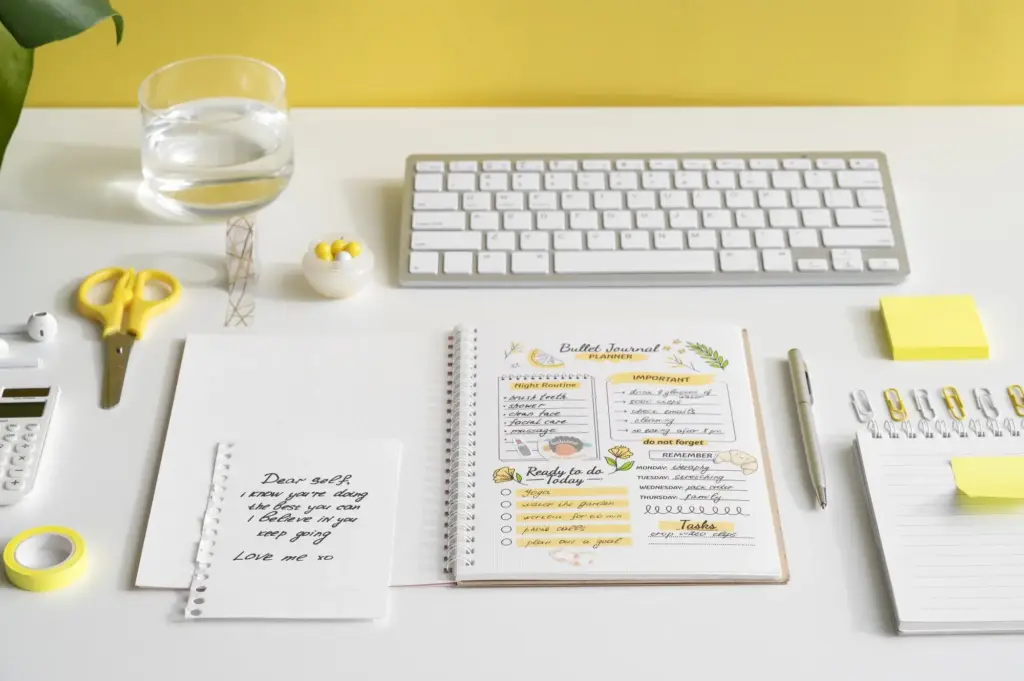

Research on spaced repetition and the forgetting curve shows how quickly details decay without reinforcement. Designing notes as compact, testable statements invites frequent review, strengthens cues, and transforms vague familiarity into recognition and recall that survive busy weeks, shifting projects, and the inevitable noise of everyday work.

Ephemeral notes capture moments; evergreen notes compound insight. When you distill lessons, add links, and revisit to clarify claims, the note’s value grows. Like a well-tended garden, small edits prevent rot, surface weak spots, and ensure the next reader—often future you—arrives to something sharper and immediately useful.

Atomicity asks for one claim, question, or mechanism per note. This constraint simplifies linking, accelerates writing, and lowers maintenance. If you can change the idea without rewriting everything around it, you have a stable building block ready for reuse across projects, meetings, and experiments.

Titles that make a claim double as retrieval cues. 'X works because Y' or 'A fails when B' forces specificity, improves searchability, and reduces duplication. If the sentence cannot be falsified or refined, the note probably hides multiple ideas and deserves respectful splitting.
Attach just enough context to stand alone: where the idea came from, what problem it addresses, and a short example that demonstrates stakes. Cite a source or an experiment. Future you should see not only assertion but also provenance, enabling trust, critique, and effortless recombination.
A link should state why it exists: contrasts, supports, refutes, extends, or depends. Writing link reasons discourages shallow webs and improves recall by rehearsing relationships. When following a path feels like a guided tour rather than a maze, your notes begin teaching you back.
Tags can help, but they often flatten nuance. Connecting notes with sentences that say how ideas interact strengthens mental models and future recall. When each link asserts a relationship, you rehearse reasoning while navigating, making every click another spaced repetition that bonds concepts more securely.
All Rights Reserved.