

Why Small, Durable Notes Win

Memory favors concise, connected statements over bloated documents, because our brains recall vivid hooks, not sprawling archives. By capturing one durable idea per note and letting connections carry context, you reduce cognitive load, shorten retrieval paths, and steadily convert fleeting curiosity into dependable understanding that strengthens across months of deliberate revisiting.

Memory Meets Design

Research on spaced repetition and the forgetting curve shows how quickly details decay without reinforcement. Designing notes as compact, testable statements invites frequent review, strengthens cues, and transforms vague familiarity into recognition and recall that survive busy weeks, shifting projects, and the inevitable noise of everyday work.

Evergreen versus Ephemeral

Ephemeral notes capture moments; evergreen notes compound insight. When you distill lessons, add links, and revisit to clarify claims, the note’s value grows. Like a well-tended garden, small edits prevent rot, surface weak spots, and ensure the next reader—often future you—arrives to something sharper and immediately useful.

Atomicity in Practice

Atomicity asks for one claim, question, or mechanism per note. This constraint simplifies linking, accelerates writing, and lowers maintenance. If you can change the idea without rewriting everything around it, you have a stable building block ready for reuse across projects, meetings, and experiments.

Crafting the Perfect Atomic Note

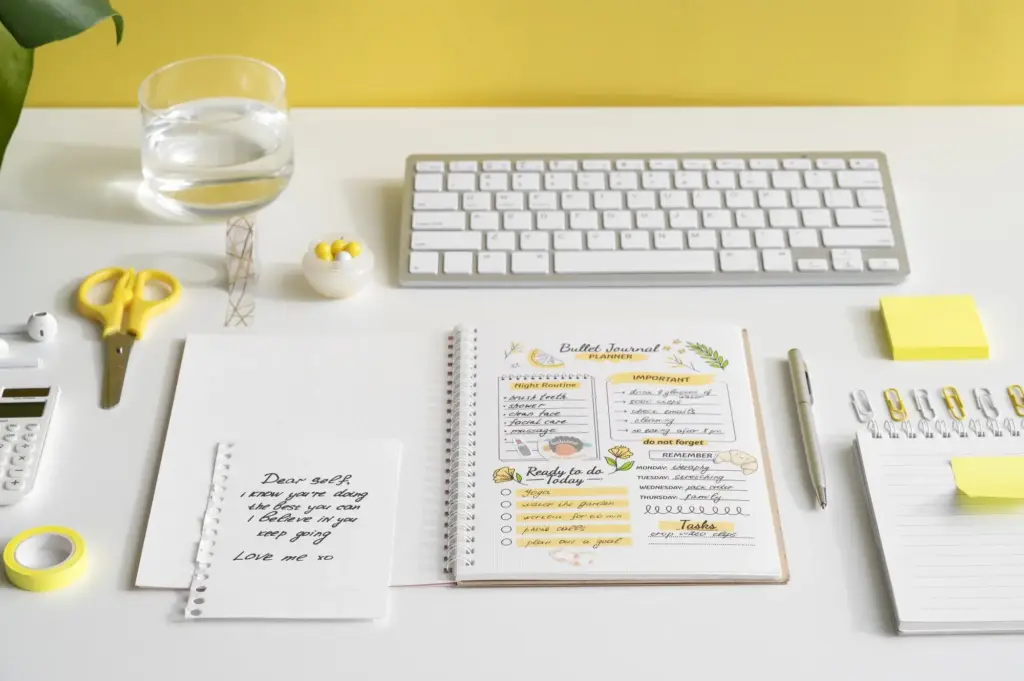
Start with a descriptive, testable title, then state the core idea in plain language. Add brief evidence, a counterpoint, and one example. Link to related notes using purposeful verbs. End with a question inviting future expansion, so each revisit nudges clarity, reveals gaps, and strengthens long-term retention.

Title as a Testable Claim

Titles that make a claim double as retrieval cues. 'X works because Y' or 'A fails when B' forces specificity, improves searchability, and reduces duplication. If the sentence cannot be falsified or refined, the note probably hides multiple ideas and deserves respectful splitting.

Context, Evidence, and Examples

Attach just enough context to stand alone: where the idea came from, what problem it addresses, and a short example that demonstrates stakes. Cite a source or an experiment. Future you should see not only assertion but also provenance, enabling trust, critique, and effortless recombination.

Links that Invite Discovery

A link should state why it exists: contrasts, supports, refutes, extends, or depends. Writing link reasons discourages shallow webs and improves recall by rehearsing relationships. When following a path feels like a guided tour rather than a maze, your notes begin teaching you back.

Daily Glances, Weekly Weeding

A thirty-second daily glance surfaces fresh captures that need splitting or linking, while a weekly weeding session invites deeper refactoring. This rhythm respects limited energy, prevents overwhelming backlogs, and makes quality improvement a habit rather than a heroic sprint postponed until some mythical free weekend.

Refactoring Without Fear

Refactoring works when you keep history easy to find. Use backlinks, change logs, or version control, so splitting a note or renaming it never risks loss. Confidence to revise encourages bolder thinking, cleaner claims, and resilient structures that reward exploration instead of punishing curiosity.

Linking for Understanding, Not Just Storage

Meaningful Connections over Mere Tags

Tags can help, but they often flatten nuance. Connecting notes with sentences that say how ideas interact strengthens mental models and future recall. When each link asserts a relationship, you rehearse reasoning while navigating, making every click another spaced repetition that bonds concepts more securely.

Maps of Content as Living Guides

Tags can help, but they often flatten nuance. Connecting notes with sentences that say how ideas interact strengthens mental models and future recall. When each link asserts a relationship, you rehearse reasoning while navigating, making every click another spaced repetition that bonds concepts more securely.

Anticipate Questions with Bidirectional Prompts

Tags can help, but they often flatten nuance. Connecting notes with sentences that say how ideas interact strengthens mental models and future recall. When each link asserts a relationship, you rehearse reasoning while navigating, making every click another spaced repetition that bonds concepts more securely.

Idea Emergence through Outline Weaving

Start an outline by dragging in related claims as bullets, then rearrange until a clear arc appears. The act of ordering exposes missing transitions and contradictory assertions. Each fix strengthens both the draft and the underlying notes, making the next project faster, clearer, and more ambitious.

Proof-of-Work Summaries

After you publish or present, add a short summary of what actually changed minds or decisions. Capturing real stakes and outcomes hardens ideas against wishful thinking, turning your archive into a laboratory notebook that guides future bets, informs teammates, and accelerates responsible, evidence-based iteration across contexts.

Reuse Without Plagiarizing Yourself

Reusing notes should feel like sampling, not copying. Attribute the origin, track where an idea has shipped, and update the source note when the idea evolves publicly. This preserves integrity, prevents drift between copies, and helps readers trace lineage when revisiting months later.

Tools, Workflows, and Constraints

Tools influence behavior, but principles survive migrations. Whether you use paper, Obsidian, Notion, or custom scripts, adopt constraints that encourage atomicity, friction that prompts reflection, and automation that never hides thinking. Be ruthless about ergonomics, backups, and exit strategies to keep your knowledge sovereign and portable.

Pick Tools that Disappear

Choose interfaces that make capture, linking, and refactoring effortless. Latency, awkward search, or clumsy mobile editing tax attention you could spend thinking. When the tool fades into the background, you naturally invest energy in shaping ideas, building connections, and testing claims against real problems and timelines.

Lightweight Templates that Earn Their Keep

Templates should reduce friction, not enforce ceremony. A good atomic note template nudges a claim, context, evidence, links, and a follow-up question. If fields routinely sit empty, simplify. The goal is consistent quality at speed, not ornate forms that discourage captures during messy discovery.

Friction with Purpose

A pinch of friction can be healthy. For example, mandating a verb for every link or a counterexample for each claim slows you just enough to think. This purposeful pause turns rote note-taking into considered reasoning that supports transfer, teaching, and durable creative confidence.